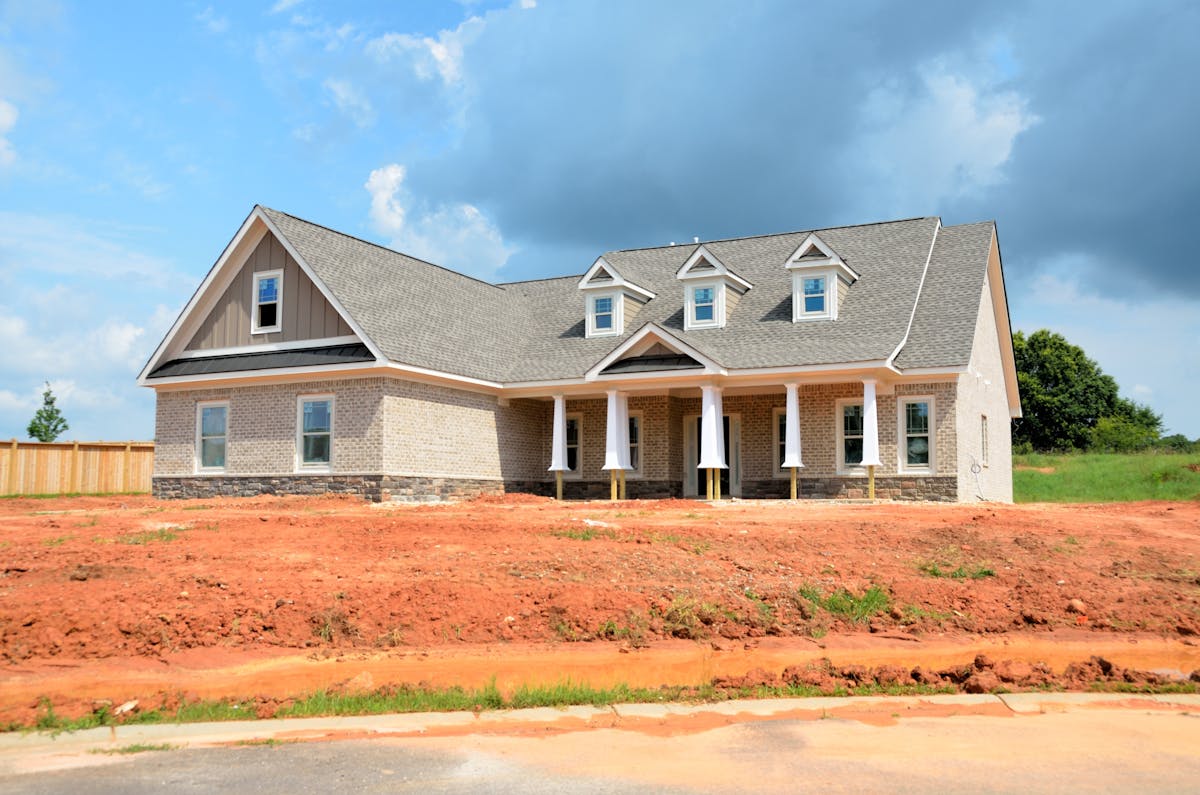
One of the most common questions Dallas-area homeowners ask is: how long will my roof last? The answer depends heavily on the material used, local climate conditions, installation quality, and how consistently the roof is maintained. In Texas, where summers push 100°F, hailstorms roll through without warning, and humidity levels fluctuate dramatically, roofing materials are put under extraordinary stress. Understanding your roof's lifespan isn't just an academic exercise - it's essential financial planning.
This guide breaks down every major roofing material used in North Texas, explains how Texas weather specifically affects each one, and helps you understand when to repair, when to maintain, and when to replace.
Asphalt Shingles: The Most Common Choice in DFW (20–30 Years)
Asphalt shingles are by far the most popular roofing material in the Dallas–Fort Worth area and across North America. They offer an attractive balance of affordability, curb appeal, and reasonable durability. However, not all asphalt shingles are created equal, and in Texas, the difference between a good shingle and a poor one is measured in years.
3-tab shingles are the thinner, older style still found on many homes built before 2000. These typically last 15–20 years in Texas conditions - the lower end of their rated lifespan nationally because of our intense UV exposure and heat cycles. If your home has 3-tab shingles and your roof is over 18 years old, you should be actively planning for replacement.
Architectural (dimensional) shingles are the current standard. Their multi-layer construction gives them a more dimensional look and significantly improved durability - typically 25–30 years nationally, or 20–25 years in Texas's harsh environment. Look for shingles with an impact resistance rating of Class 3 or Class 4. In hail-prone areas like Frisco, McKinney, Celina, and Plano, Class 4 impact-resistant shingles can save you significant money on homeowner's insurance - discounts of 20–30% are not uncommon.
Luxury or designer shingles represent the top tier of asphalt products. Brands like GAF Camelot, CertainTeed Grand Manor, and Owens Corning Duration Premium are thicker, denser, and rated for 30+ years even in Texas. They also carry enhanced wind resistance ratings - typically 110–130 mph - which matters during North Texas's spring storm season.
Key factors that shorten asphalt shingle life in Texas:
- UV radiation - Texas receives 220+ sunny days per year, accelerating granule loss and oxidation
- Temperature cycling - daily swings of 30–40°F cause shingles to expand and contract repeatedly
- Hail impact - granule loss from a single hail event can dramatically shorten remaining shingle life
- Poor attic ventilation - superheated attic air (often 150°F+) bakes shingles from below
- Improper installation - a shingle installed over old shingles or without proper underlayment will fail earlier
Metal Roofing: The Lifetime Investment (40–70 Years)
Metal roofing has grown significantly in popularity across the Dallas–Fort Worth area over the past decade, and for good reason. When properly installed by a certified contractor, a metal roof can last 40–70 years with minimal maintenance. That means a homeowner who installs a metal roof today may never need to replace it again in their lifetime.
Standing seam metal roofing is the premium option. The panels interlock with raised seams, eliminating exposed fasteners and dramatically reducing leak potential. Standing seam roofs are rated for winds exceeding 140 mph and are essentially hail-resistant up to 2.5-inch hailstones. In a region that sees frequent large hail, this is a significant advantage.
Metal shingles and panels offer a more traditional look at a lower price point. Stone-coated steel shingles, for example, mimic the appearance of asphalt or tile while providing metal's durability. These typically carry 30–50 year warranties.
One of metal roofing's most compelling benefits for Texas homeowners is solar reflectance. Metal roofs can reflect 25–40% of solar radiation, reducing attic temperatures significantly and lowering summer cooling costs by 10–25%. Over a 20-year period, these energy savings can offset a substantial portion of the initial cost premium over asphalt.
Considerations for metal roofing in DFW:
- Higher upfront cost - typically 2–3x the price of architectural shingles
- Oil canning - a waviness that can appear in flat metal panels, largely cosmetic
- Expansion and contraction - metal expands significantly in Texas heat; proper installation accounts for this with floating fasteners
- Noise during rain - standing seam panels with proper insulation are no louder than other roofing types
Tile Roofing: Elegance and Durability (50+ Years)
Clay and concrete tile roofs are a common sight in Texas's upscale neighborhoods and in homes with Spanish, Mediterranean, or Southwestern architectural styles. They offer exceptional longevity - often 50 years or more - and maintain their appearance beautifully over decades.
Clay tile is fired at high temperatures, making it extremely dense and resistant to water absorption, UV damage, and temperature extremes. Concrete tile is heavier and less expensive than clay but still offers 40–50 year lifespans. Both are Class A fire-rated and highly resistant to rot and insects.
The main considerations for tile in Texas are structural load (tile weighs 3–5x more than asphalt and requires engineered support) and hail susceptibility. While tile handles heat and wind excellently, large hailstones can crack or break tiles. Impact-resistant tile products exist that address this concern.
Flat and Low-Slope Commercial Systems (15–25 Years)
Many Dallas commercial buildings, as well as residential additions and some modern homes, use flat or low-slope roofing systems. The most common materials in DFW are TPO (thermoplastic polyolefin), EPDM (ethylene propylene diene monomer), and modified bitumen.
TPO has become the dominant flat roofing material because of its white reflective surface (excellent for Texas heat), weld-fused seams (very leak-resistant), and 20–25 year expected lifespan. EPDM is a rubber roofing system known for its flexibility in temperature extremes, with a lifespan of 15–25 years. Modified bitumen is a multi-layer asphalt-based system often used in commercial re-roofing, lasting 15–20 years.
Flat roofs require more frequent inspection and maintenance than sloped roofs because water can pond rather than drain quickly. Annual inspections are strongly recommended.
How Texas Weather Specifically Affects Roof Lifespan
Living in the Dallas–Fort Worth metroplex means your roof faces a uniquely demanding combination of weather stresses:
- Hail: Texas leads the nation in hail damage claims. The DFW corridor sits in a high-frequency hail zone, with storms producing 1-inch or larger hailstones multiple times per year in some seasons. Hail removes granules from asphalt shingles, dents metal panels, and cracks tile - and the damage isn't always visible from the ground.
- Heat: Prolonged summer temperatures above 95°F, combined with solar radiation, cause asphalt shingles to dry out, crack, and lose granules faster than in cooler climates. Attic temperatures can exceed 150°F, cooking shingles from below.
- Wind: Severe thunderstorms in North Texas regularly produce wind gusts of 60–80 mph. Wind lifts the edges of shingles, breaks the seal strip, and eventually causes shingles to blow off entirely. Shingles rated for 110 mph or higher are recommended.
- Freeze-thaw cycles: While mild compared to northern states, DFW does experience winter storms. Ice formation in small gaps can force flashing away from walls and chimneys, creating leaks that are often not discovered until spring.
Signs Your Roof Is Approaching End of Life
Regardless of material, watch for these indicators that your roof needs professional attention:
- Missing, cracked, curling, or blistering shingles
- Granule accumulation in gutters or downspouts
- Visible daylight in the attic
- Water stains on ceilings or walls
- Sagging or uneven roofline
- Flashing that is cracked, lifted, or missing around chimneys, vents, or skylights
- Moss or algae growth (indicates persistent moisture retention)
- Energy bills increasing without explanation
The Commit Roofing Recommendation
At Commit Roofing, we serve homeowners across Allen, Frisco, McKinney, Celina, Plano, Carrollton, Garland, Irving, and the greater Dallas area. Our free roof inspection includes a detailed written report on your roof's current condition, estimated remaining lifespan, and honest recommendations for repair, maintenance, or replacement. We never push unnecessary replacements - but we also never minimize real problems.
If your asphalt shingle roof is over 15 years old, or if you've experienced recent hail or wind events, contact Commit Roofing today. The earlier a problem is identified, the less expensive it is to address.